Mobile Retail Solutions for Modern Businesses
Taking your products directly to customers creates new opportunities to increase visibility, encourage impulse purchases, and build memorable brand experiences. Whether you’re planning a pop-up shop, corporate activation, festival booth, or outdoor retail concept, merchandising carts offer a flexible way to showcase products in high-traffic locations without the expense and limitations of a permanent storefront.
Modern retail is no longer restricted to traditional shops. Businesses can connect with shoppers at festivals, trade shows, shopping centers, hotels, sporting events, and community gatherings. A thoughtfully designed mobile display makes it easier to introduce new products, distribute samples, and create engaging shopping experiences wherever your audience happens to be.
What Makes a Great Mobile Retail Cart?
A successful mobile retail setup combines attractive presentation, practical storage, convenient operation, and recognizable branding. Well-designed merchandise carts help businesses organize products while creating an accessible point of interaction between customers and sales representatives.
Unlike conventional display tables, a purpose-built cart can provide integrated storage, additional workspace, and customizable exterior elements. These features make it easier to arrange products, manage transactions, and maintain a professional appearance throughout the day. The right configuration depends on the merchandise being sold, the available operating space, and the type of customer experience you want to create.
Explore Flexible Cart Designs for Different Retail Needs
Every business has different requirements. A boutique selling accessories may need compact shelves and an attractive presentation area, while a promotional agency might prioritize branded surfaces and room for product samples. Choosing the right merchandise cart starts with understanding how customers will interact with your products.
Think about the size and weight of your inventory, the number of items you want to display, and whether your team needs additional workspace. Consider how frequently the cart will move between locations and whether it will operate indoors, outdoors, or in both environments. These details help determine the most practical layout and equipment configuration.
Create a Mobile Storefront That Reflects Your Brand
Your cart is more than a place to keep inventory. It is a physical representation of your business, and its appearance can influence how customers perceive your products. A distinctive merchandising cart can become a recognizable brand touchpoint at events, retail activations, and temporary shopping destinations.
Custom colors, logo applications, decorative finishes, and illuminated signage help create a consistent visual identity. Businesses can coordinate the cart’s appearance with packaging, promotional materials, uniforms, and campaign graphics. A cohesive design makes the setup more memorable and helps customers recognize the brand even in busy environments.
Take Retail Beyond Traditional Store Locations
Mobility gives retailers the freedom to experiment with different sales environments. Instead of relying exclusively on customers visiting a fixed location, businesses can bring their products to places where their target audience already spends time.
Well-planned mobile merchandise carts can support temporary retail operations at markets, festivals, corporate events, hospitality venues, and promotional campaigns. This approach allows businesses to test new locations, introduce seasonal collections, and connect with customers in a more personal setting.
The ability to reposition a display also provides flexibility when customer traffic changes. Retailers can adapt their placement to suit an event’s layout, audience movement, or promotional schedule.
Portable Displays for Pop-Ups and Special Events
Pop-up retail has become an effective way to introduce products and create limited-time shopping experiences. A portable setup helps brands participate in events without committing to a permanent retail space or a large commercial installation.
When evaluating portable merchandise carts, consider transport requirements, setup procedures, storage capacity, and the amount of display space available. A compact design may be ideal for smaller venues, while a larger configuration can accommodate a broader product selection and more elaborate presentation.
The best solution should make daily operations straightforward while keeping the customer-facing area organized. Convenient access to supplies and inventory can also help staff serve shoppers more efficiently.
Turn Temporary Locations into Retail Opportunities
Temporary selling environments can offer valuable opportunities for established retailers and emerging brands alike. From product launches to seasonal promotions, a mobile retail station creates a dedicated space where customers can explore merchandise and interact with a brand.
Businesses researching mobile merchandise cart options should look beyond basic portability. The cart should also support the intended sales process, provide sufficient room for product presentation, and fit the visual character of the campaign.
For example, a beauty brand might use a customized setup for product demonstrations, while a lifestyle company could showcase accessories, branded gifts, or limited-edition collections. With the right configuration, one mobile platform can support multiple campaigns throughout the year.
Smarter Cart Merchandising Starts with Presentation
Effective retail presentation makes it easy for customers to understand what is available and identify products that interest them. Group similar items together, highlight featured collections, and keep frequently requested merchandise within easy reach.
Good cart merchandising also considers customer movement. An open, accessible layout encourages shoppers to approach the display, browse products, and ask questions. Clear signage can communicate prices, product benefits, and promotional offers without overwhelming the presentation.
Lighting, color coordination, and thoughtful product placement can further improve visibility. Regularly refreshing the display helps maintain interest, especially when the cart operates at recurring events or in locations with returning visitors.
Customization and Equipment for Better Functionality
The ideal cart should be configured around the products it will carry and the way the business operates. A display focused on small accessories may need different storage arrangements from one used for promotional merchandise, packaged goods, or product samples.
Exploring different cart solutions merchandising requirements can help identify useful additions, including lockable storage, extended work surfaces, lighting, branding elements, and payment equipment. Some businesses may also benefit from specialized compartments or temperature-controlled storage when their merchandise requires it.
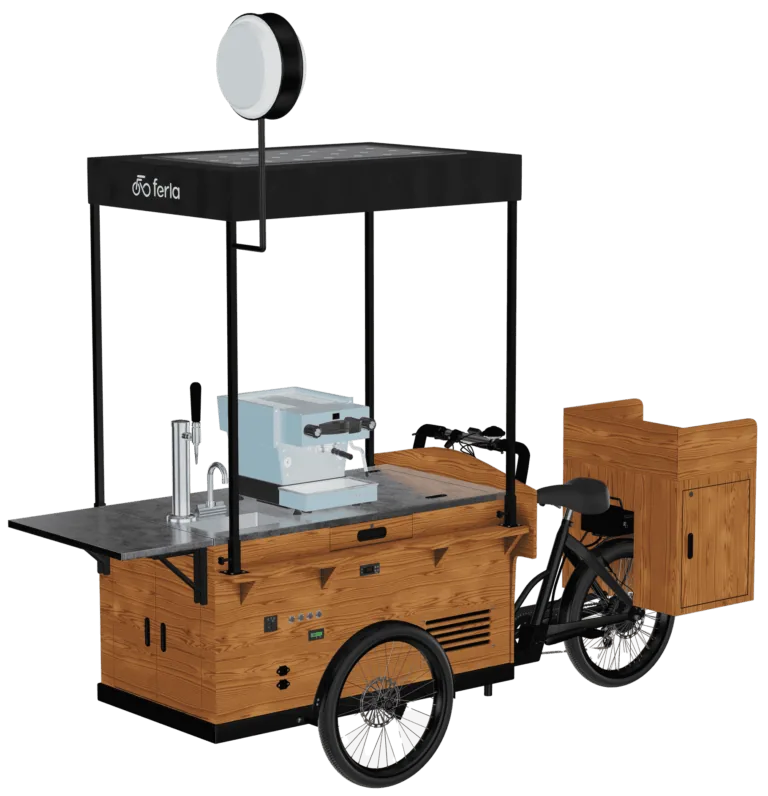
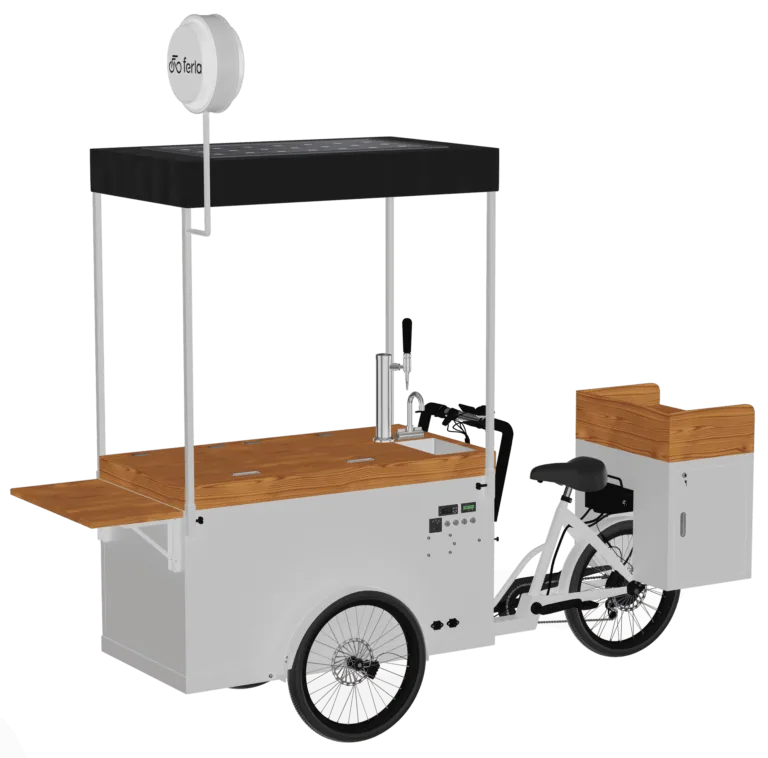
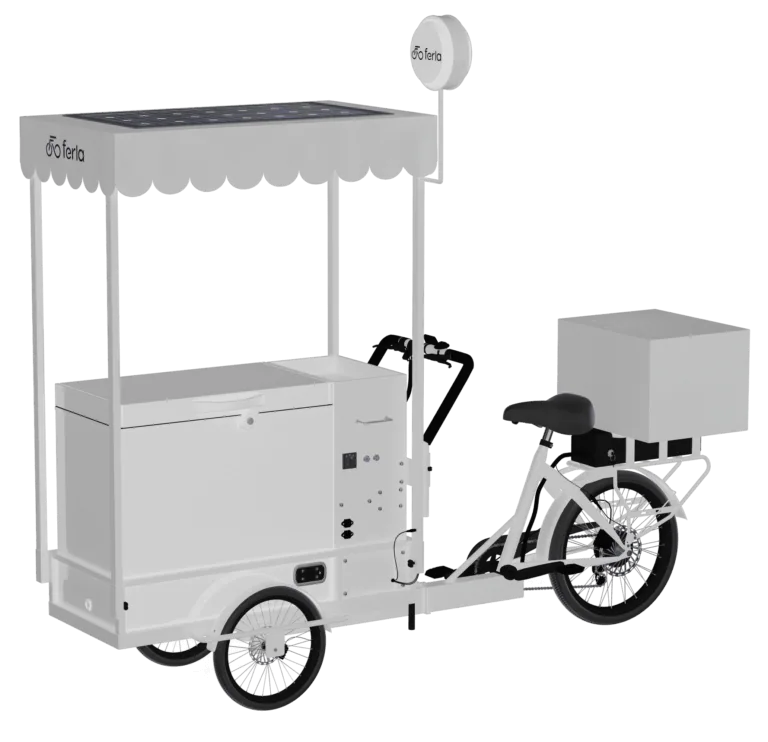
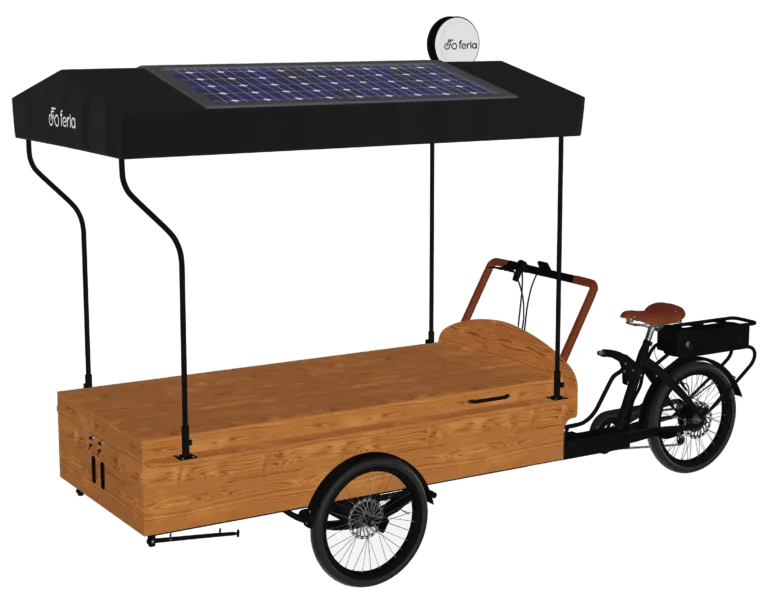
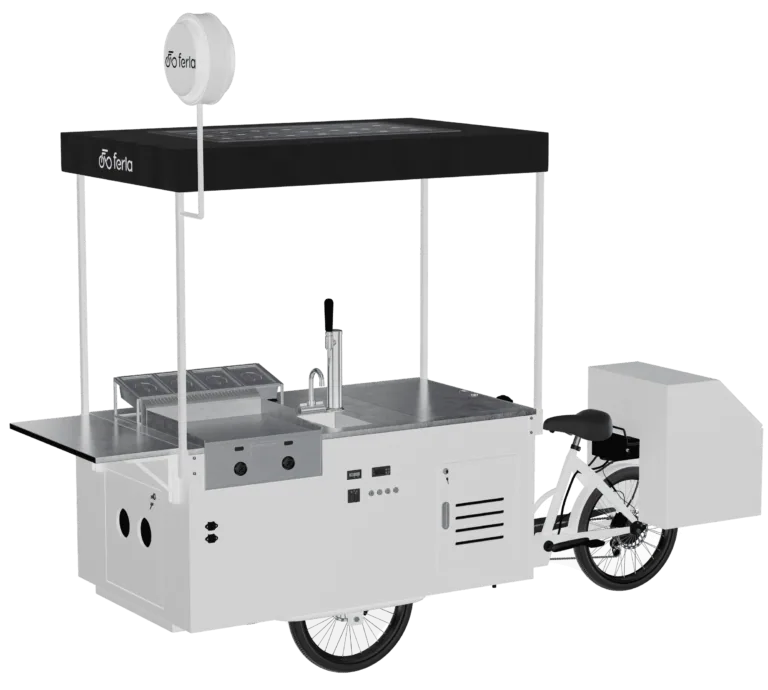
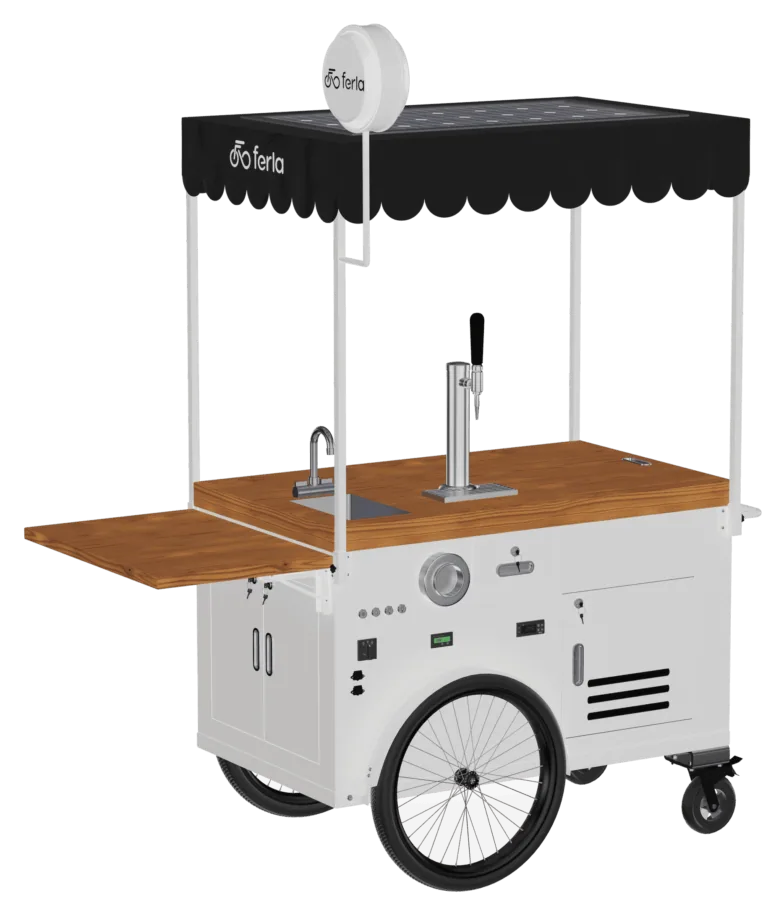
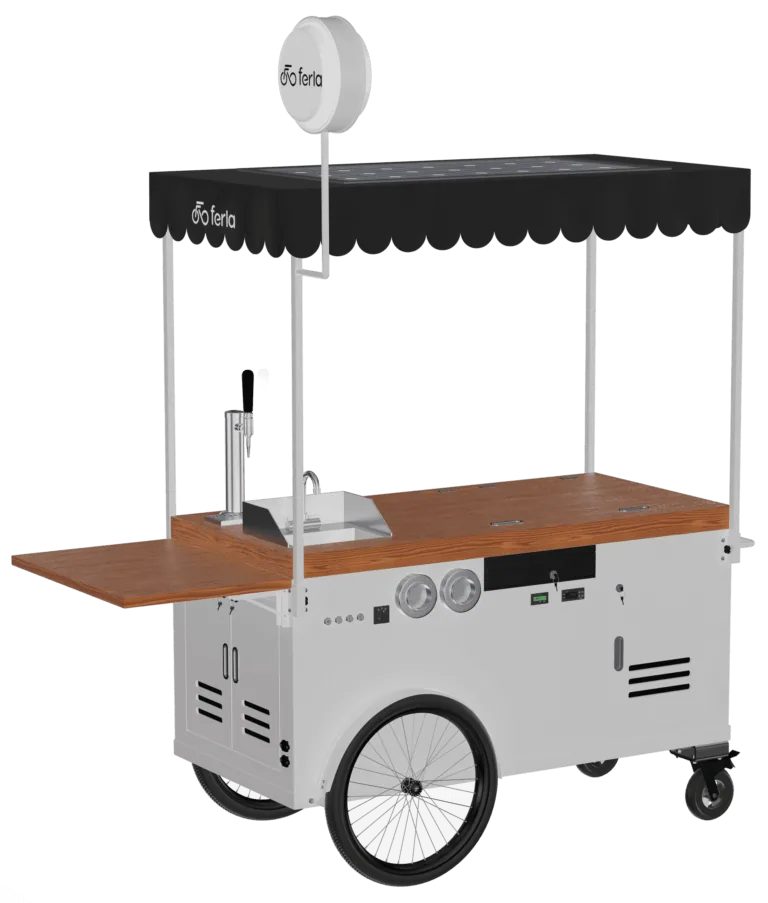
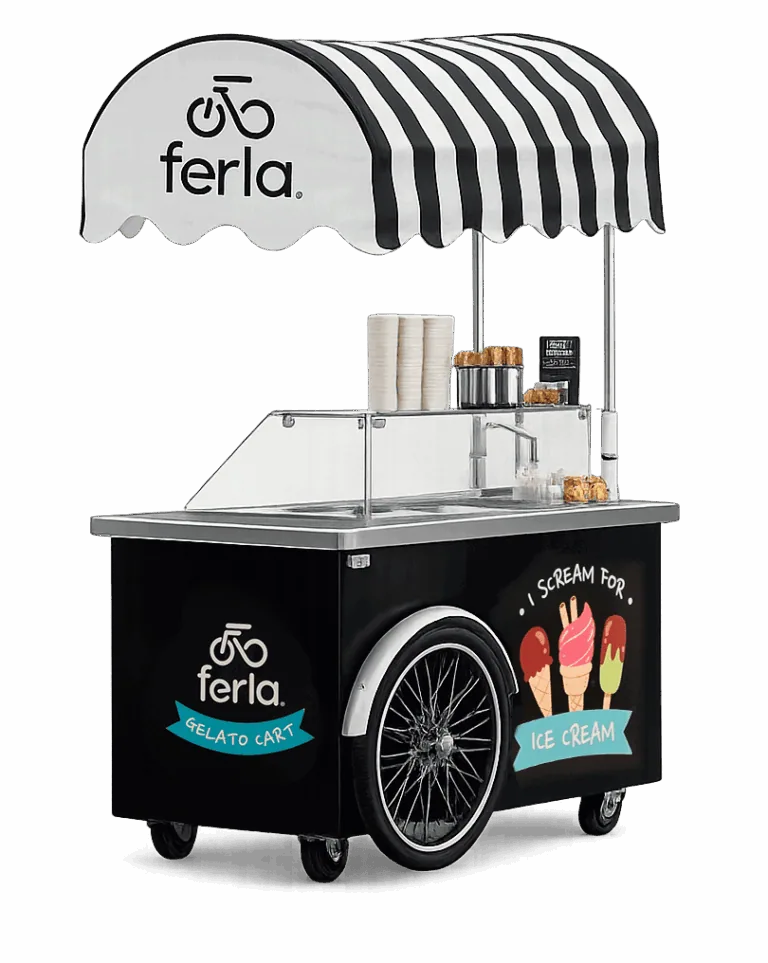
Ferla offers customizable commercial carts and bikes that can be adapted to different business concepts. Depending on the model and selected configuration, available features can include extendable tables, cash drawers, LED signs, custom wraps, and additional storage.
Why Consider Ferla for Your Mobile Retail Concept?
Ferla designs commercial carts and bikes for businesses looking to create distinctive mobile experiences. Its product range includes compact and larger cart formats that can be customized for different operating environments.
For brands comparing merchandise carts for sale, flexibility is an important consideration. A versatile platform can serve more than one purpose over its working life, supporting promotional activities, product demonstrations, temporary retail, and hospitality applications.
The Ferla Mini Cart is designed for businesses that need a compact footprint, while the Grande Cart provides a larger working area. Both offer opportunities to create a branded presentation tailored to the business. Explore the available models and customization possibilities to determine which configuration matches your requirements.
Choosing the Right Size and Configuration
The size of your cart affects both customer experience and everyday operations. A smaller unit may be easier to position in narrow corridors, compact event spaces, and indoor venues. Larger designs can provide more room for inventory, equipment, and customer-facing displays.
When comparing portable merchandise cart designs, evaluate the dimensions of the unit alongside the space required for customers and staff. Remember to account for access routes, storage needs, and any additional equipment that may be installed.
Also consider how the cart will be transported and stored between events. A configuration that works well during a busy activation should remain practical when the event ends and the equipment needs to be moved.
Outdoor Retail and Street-Level Brand Visibility
Outdoor selling environments offer brands access to audiences beyond traditional retail spaces. Parks, pedestrian areas, festivals, open-air markets, and sporting events can all create opportunities to introduce products and generate direct customer engagement.
Purpose-designed outdoor merchandise carts should be selected with the operating environment in mind. Weather-resistant finishes, suitable canopies, secure storage, and stable positioning can help make daily use more practical. Local regulations and venue requirements should also be reviewed before setting up a retail operation.
A visually distinctive cart can attract attention from passing customers while providing a convenient location to browse and purchase merchandise. Branded signage and coordinated graphics help the business remain recognizable in crowded outdoor environments.
Create Engaging Pop-Up Kiosks
A kiosk gives shoppers a recognizable place to discover products, ask questions, and complete purchases. Unlike a fixed retail installation, a mobile kiosk can be positioned for different events and adapted to changing promotional needs.
Businesses planning merchandise carts kiosks should consider the relationship between product display, staff workspace, and customer access. The design should allow shoppers to see featured products without obstructing the person operating the station.
An effective kiosk can support branded giveaways, product sampling, seasonal collections, accessories, souvenirs, and specialty retail. With a consistent visual identity, the same setup can become a familiar brand feature across multiple locations.
A Flexible Platform for Vendors and Retail Teams
Independent sellers, established retailers, event organizers, and marketing agencies all benefit from equipment that adapts to their operating needs. A mobile display can help businesses reach new audiences without building a separate permanent location for every campaign.
When evaluating merchandise vendor carts, think about the daily workflow. Staff should have convenient access to inventory, payment equipment, packaging, and other essentials. Customers should have enough space to approach the display and examine products comfortably.
A well-organized setup can make transactions smoother and help maintain a professional appearance during busy selling periods. Custom branding also allows vendors to create a more consistent experience across different events.
Compact Designs for Space-Conscious Businesses
Not every retail environment has room for a large display. Smaller venues, indoor events, boutique spaces, and temporary installations often require a more efficient footprint.
Well-planned small merchandise carts can provide an attractive customer-facing area without taking up unnecessary floor space. The key is to balance compact dimensions with usable storage and enough room to display the products that matter most.
Consider prioritizing best-selling items, arranging products vertically where appropriate, and using additional work surfaces when needed. A compact unit can still make a strong visual impression when its branding, layout, and product selection are thoughtfully coordinated.
Make Your Retail Presence More Memorable
A mobile display can do more than facilitate transactions. It can serve as a conversation starter, a product discovery point, and a memorable part of an event experience.
For businesses considering street merchandise carts, location and presentation work together. Positioning the cart where the intended audience naturally gathers can improve visibility, while an inviting design encourages people to stop and explore.
Retailers can use the platform for souvenirs, apparel, accessories, branded gifts, promotional products, and other non-food merchandise. The ability to change locations and refresh the display makes it especially useful for businesses that participate in different events throughout the year.
Build a Mobile Retail Experience with Ferla
Creating a successful mobile retail concept starts with choosing equipment that reflects your brand and supports your day-to-day operations. From product presentation and storage to mobility and customization, every detail contributes to a more effective customer experience.
Explore Ferla’s collection to discover flexible solutions for pop-up retail, promotional campaigns, events, and mobile business concepts. Whether you are launching a new venture or expanding an established brand, the right cart can help bring your products closer to customers.