
Bikes & Street Food Carts for Sale
From small towns to busy cities, street food is sweeping the world. The numbers speak for themselves: in 2024, the mobile food vending market has surpassed $5.99 billion and is expected to grow significantly to $9.8 billion by 2031.
Even though breaking into the mobile catering business is much easier than opening and running a traditional cafe, inspired entrepreneurs still face challenges when choosing a vehicle for their startup. Indeed, operating a concession trailer requires a car, while full-fledged catering trucks are more costly. Both options also have limited mobility, which deteriorates customer reach.
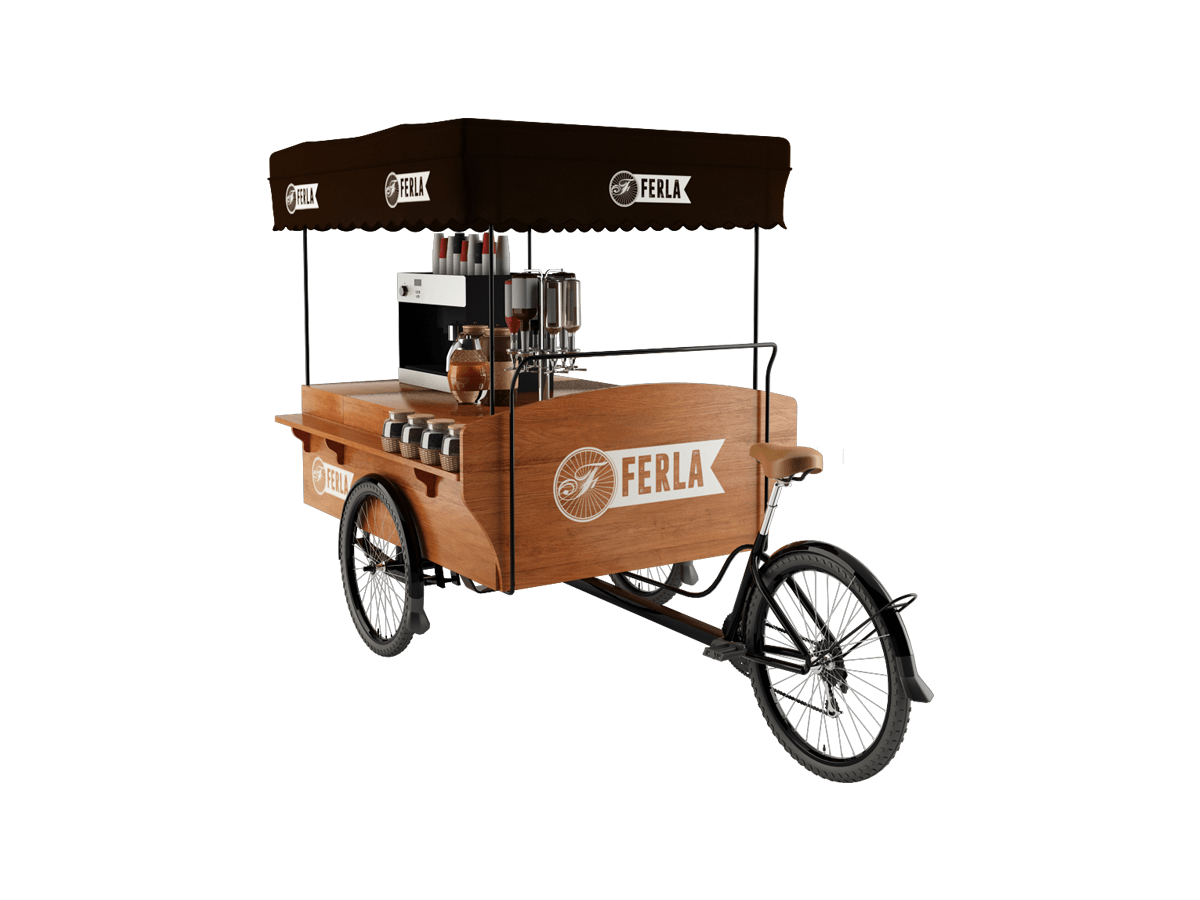
This is when Ferla bikes and food carts near me for sale come to the rescue. Maneuverable, sustainable, and cost-efficient, these wheeled vending units are the ultimate solution for mobile catering. Ferla can also customize your food cart bike for sale according to the niche it serves to help your business succeed.
The Rise of Food Catering Carts & Bikes
The rise of street food vending carts and bikes as part of the mobile catering industry has been driven by the shift towards eco-friendly practices and an increasing demand for quick grab-and-go meal solutions. Enhanced mobility of food vendor carts has allowed businesses to make their products more accessible while serving them in non-traditional locations, which is especially valuable in built-up urban areas.
Street vending food carts are used by newcomer entrepreneurs and big companies willing to set their businesses on wheels. The most renowned brands in cart food vending include Subway, Ralph’s Coffee, Starbucks, Baskin Robbins, and Tim Hortons.
Benefits of Ferla Bikes & Carts for Food Service
Here are the key reasons why getting a Ferla mobile food cart for sale near me is a smart business solution:
- Cost-efficiency: the cart food business requires much less investment than maintaining a brick-and-mortar restaurant or a large truck. With various options available for mobile food carts sale, you can choose the one that meets your budget. It’s also possible to buy food carts through financing options or even rent a cargo bike.
- Flexibility and accessibility: a compact street vendor food cart with a lightweight frame can be easily moved to any location, be it a festival, market, office building, corporate event, or busy city street.
- Sustainability of a food cart tricycle: Ferla food street carts for sale are designed to promote a greener future by minimizing carbon footprint and implementing energy-efficient systems. A vending food cart is also a great option to reduce water waste and serve local products.
- Community engagement: food cart businesses can not only make their goodies accessible anywhere but also provide locals with memorable experiences, keeping them coming back for more.
Challenges and Limitations of Food Bikes
Consider the challenges that may come your way to running a successful mobile food cart business to ensure you will manage to handle them more easily:
- Weather dependency: it may be difficult to serve customers on the food cart wheels in bad weather, such as strong winds, rain, or bitter cold. Placing a food vender cart indoors (business centers, malls, etc.) will solve the problem.
- Storage and capacity: a food bicycle cart for sale has less storage space than a truck, which may affect menu options. Consider business food cart models with flip-up tables, or opt for Ferla Grande to get more space for your ingredients and equipment.
- Regulatory hurdles: as with any other business, you must finish all the legal paperwork before engaging in food cart vending and meet specific health regulations established in your area. There may be some additional regulations for an electric tricycle food cart.
- Competition and niche markets: there’s tough competition in almost every niche, so come up with creative strategies for making your food kiosk mobile spot stand out – customizable add-ons and exclusive menu options may help you succeed while operating a street mobile food cart.
Starting a Street Food Vending Cart Business
Finding a top-quality tricycle food cart for sale is not the only thing needed to start a mobile catering business. The following tips will help you get on wheels smoothly:
- Planning and permits: licensing requirements and permits for trike food cart businesses vary widely, so contact your local authority to know the regulations.
- Choosing a niche: serve menu you are passionate about. Focus on something specific and make it better than others to deliver the finest food cart catering service.
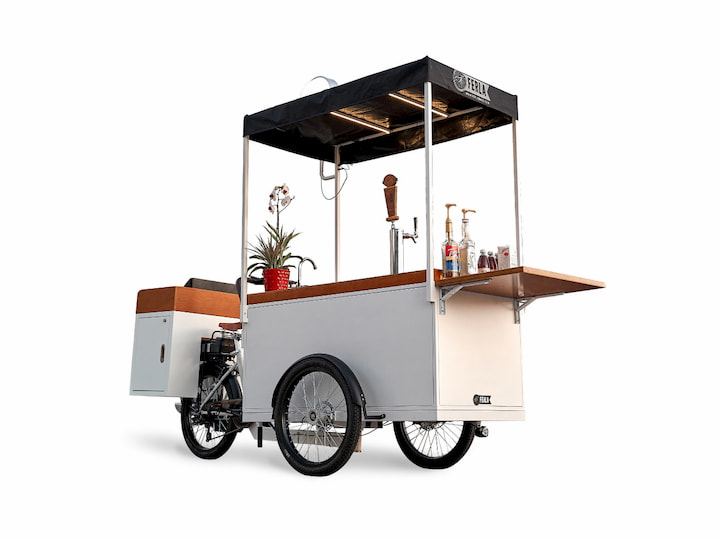
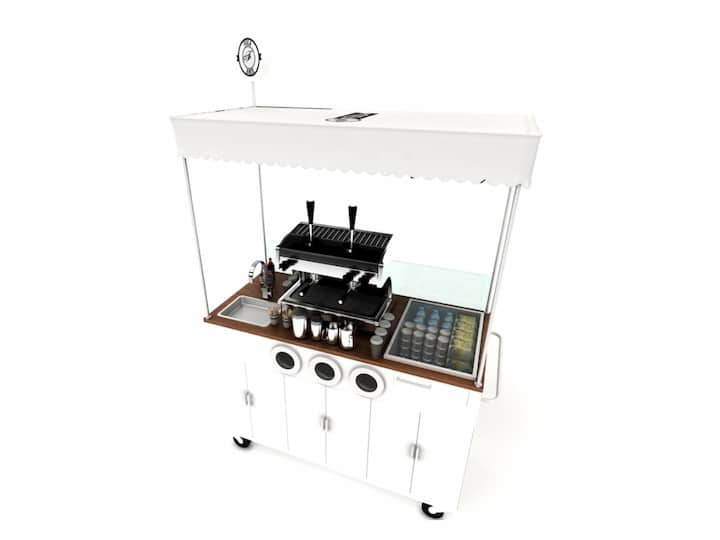
- Designing and equipping the cart for food service: once you find the needed food vendor cart for sale, pack it with all the essentials. You can also order a customized design to make your spot catchy. With Ferla, it’s possible to buy mobile food cart equipped with a freezer, brew taps, cup dispensers, etc.
- Marketing strategies: promote your food carts business on social media, visit festivals, and establish partnerships with local brands to attract customers.
- Costs and funding of a catering food cart: startup expenses typically don’t exceed several thousand dollars, depending on the niche and bike you choose. An electric food cart for sale costs more, although you can finance any vending unit we sell.
Successful Food Bike Business Models
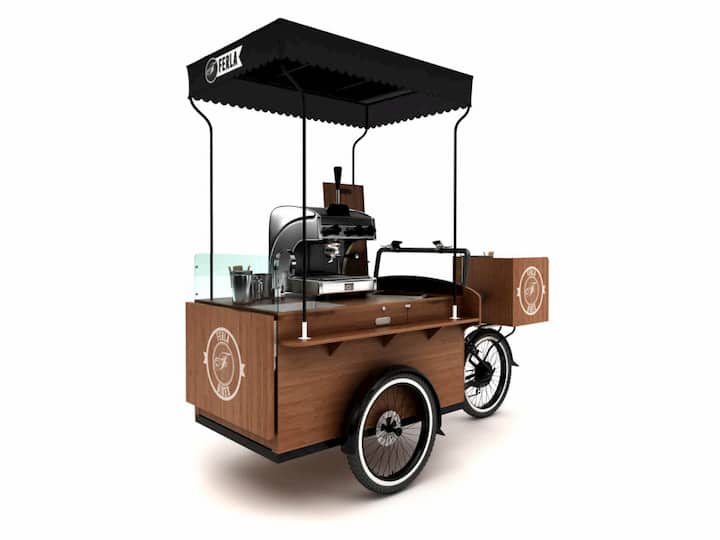
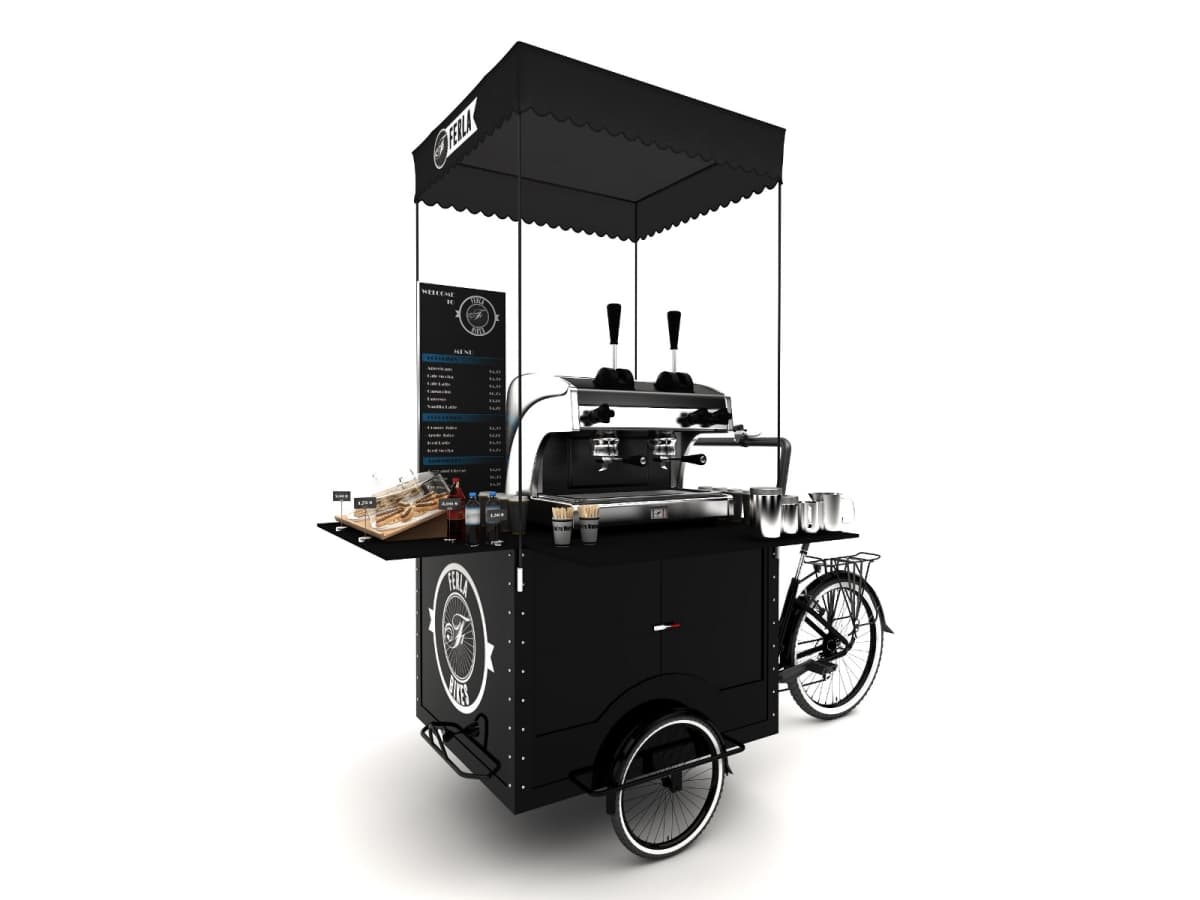
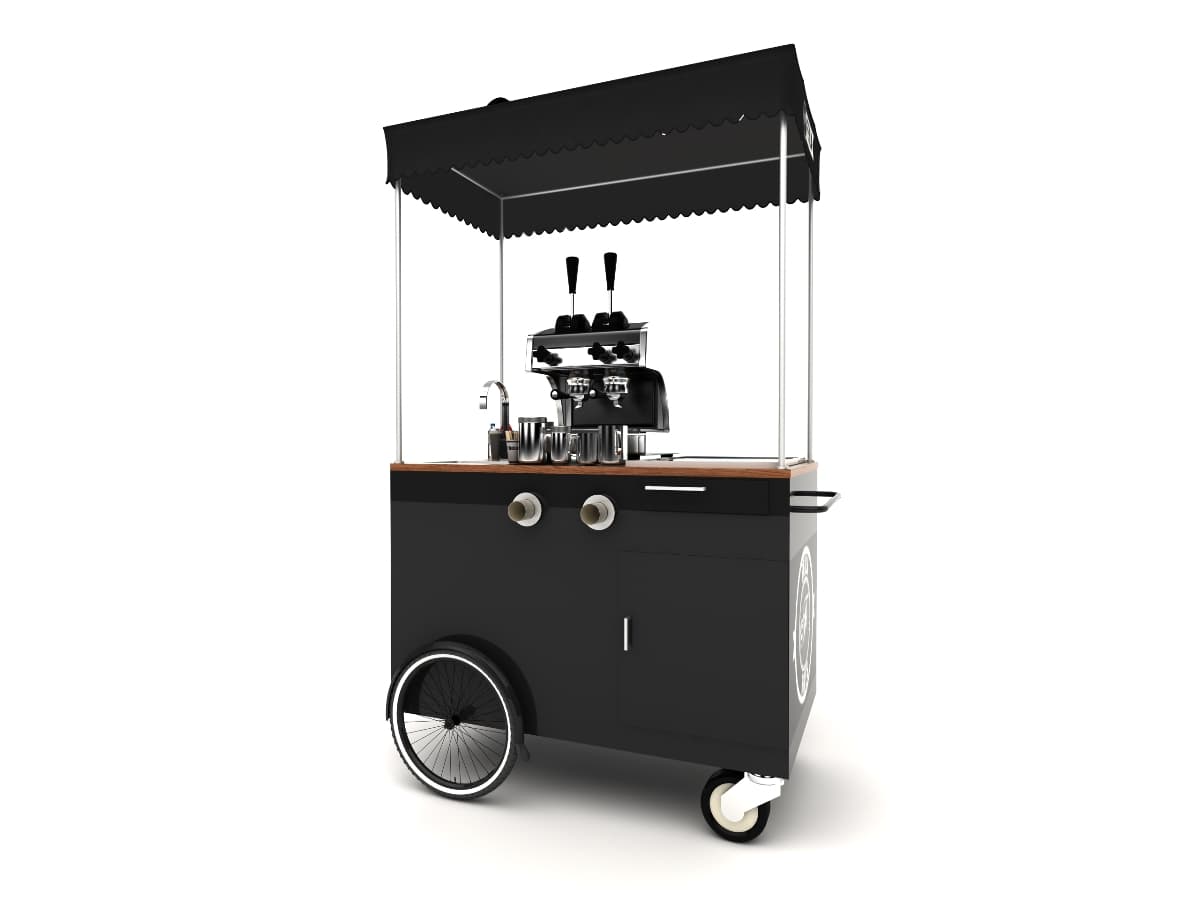
- Coffee bikes: coffee is the beverage that sells itself, and food mobile carts for sale are perfect for serving it at any time of the day. Exclusive drink variations and innovative brewing techniques make a street food vendor cart even more appealing to coffee lovers.
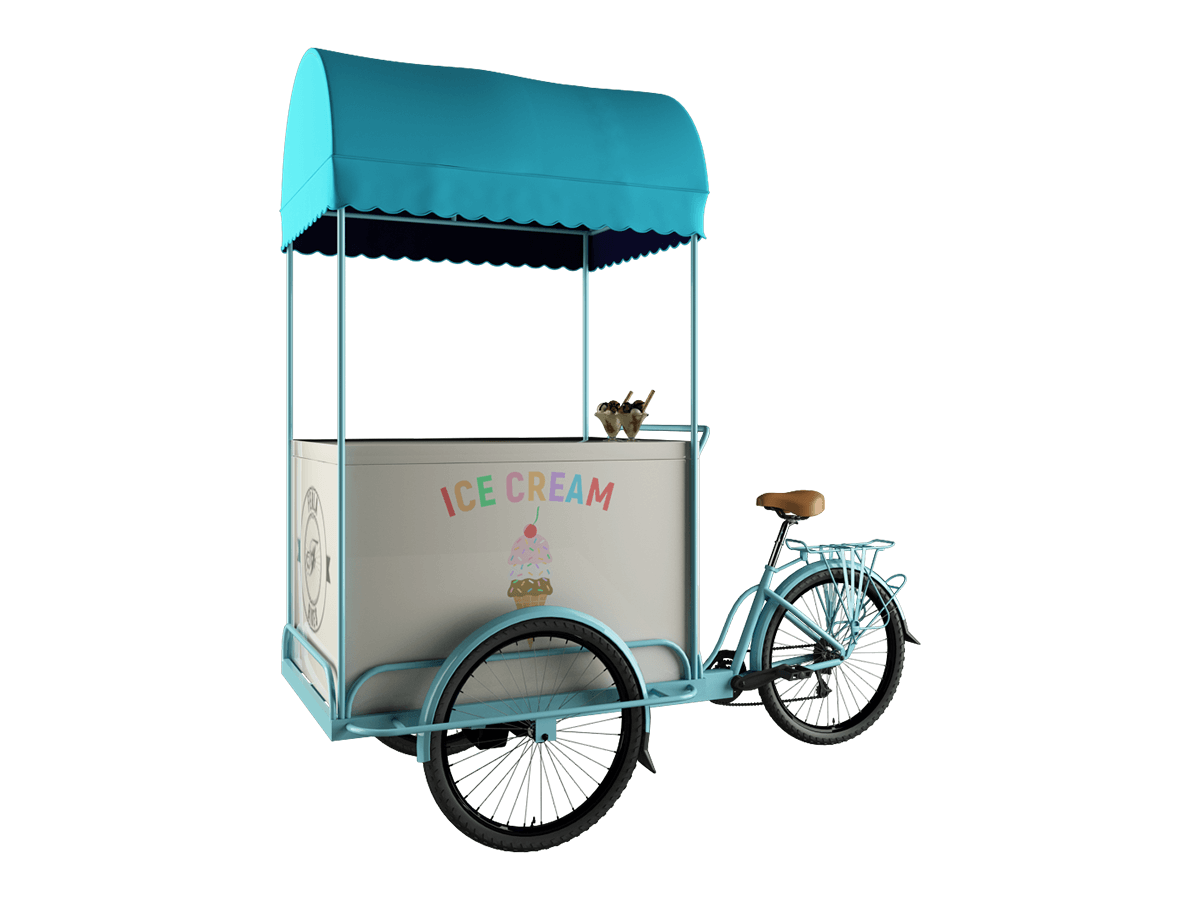
- Ice cream bikes: food vendors carts equipped with freezers allow for storing and serving top-quality ice cream making sure it is always fresh.. The most successful carts food business models offer some extras, like sundaes, shakes, and toppings.
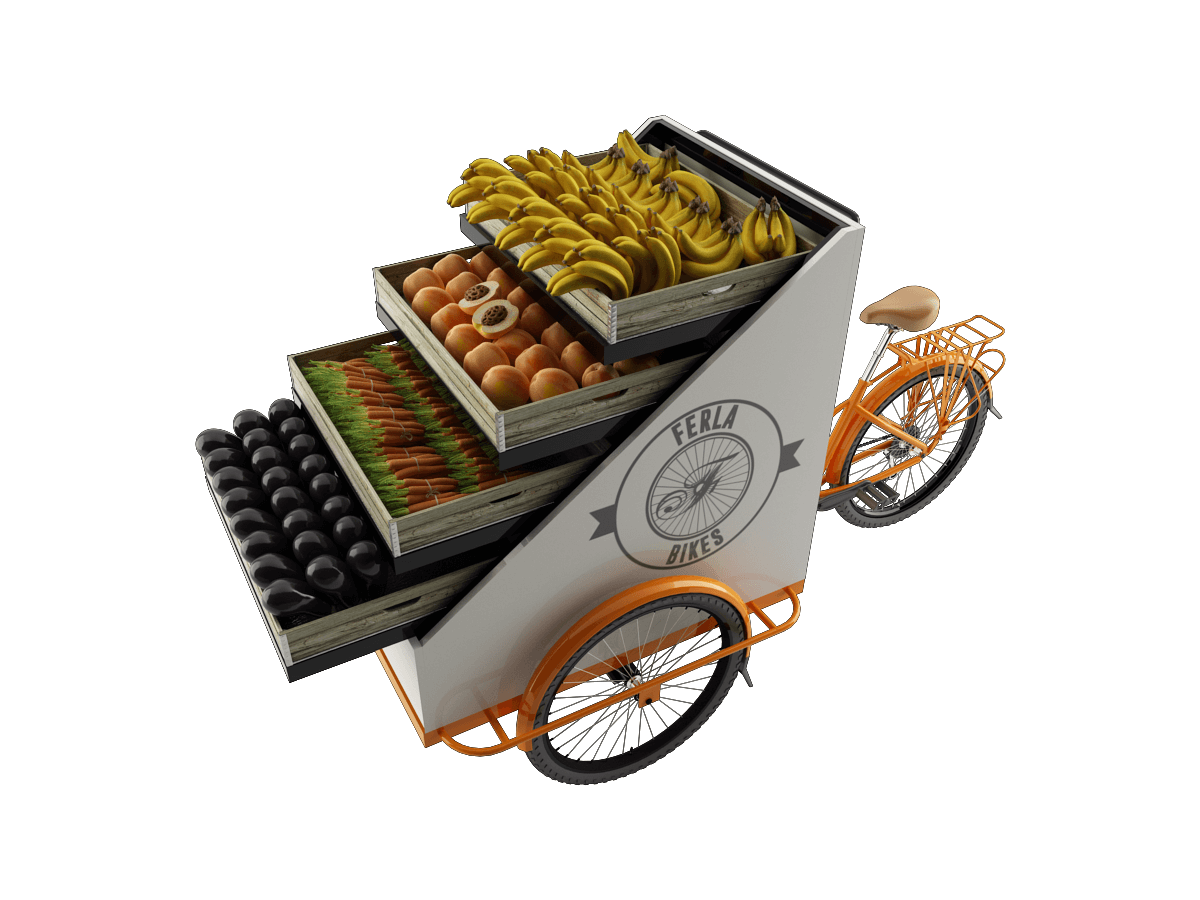
- Gourmet snack bikes: a food vending cart for sale brings the best profits for those serving quick yet tasty snacks from organic ingredients. The best food cart vendors develop unconventional, yummies and have some veggie menu items.
The Future of Food Bikes
The cart food service is expected to grow at a 6.37% annual rate in the subsequent 6 years. This can be due to the increasing focus on sustainable business practices and location flexibility of vendor food carts. Major trends within this period include adopting new technologies, the evolution of hybrid food trolley carts, and innovation in health-related menus. Solar-powered and electric food vending carts for sale are also expected to grow in popularity.
Conclusion
A mobile food vending cart is a great investment. Despite the challenges you may face as a food cart vendor, be it bad weather or niche competition, such a business can generate profits while helping you bring your dreams to life.
Ferla vending food carts for sale are all about freedom of mobility that takes the joy of tasty food anywhere you need. Whatever goals you pursue when seeking a food cart supplier, we are always here to help you turn your ideas into memorable experiences. Order a mobile street food cart or contact us for more information.